what to do with your children red packet?

As we conclude the festivities of the new year, an intriguing question has been raised by many of my clients: What should be done with children’s Ang Bao Monies? Our recommendation? Invest it. And for those without children, consider investing for your own future if you haven’t already done so.

Benefit 1: Providing a Head Start

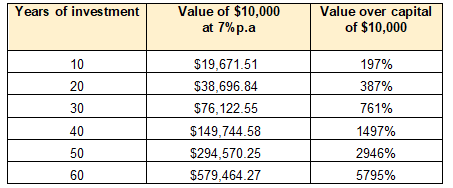
One of the greatest advantages our children possess is time, and investing their Ang Bao or birthday money could prove to be one of the most prudent decisions. While money can be replenished, time is finite. Albert Einstein famously remarked, “Compound interest is the eighth wonder of the world.” By initiating investments at an early age, there is the potential to significantly augment their wealth. Even with conservative estimates, the power of compounding over time can yield substantial returns.
What to do with your children Angbao Money? — Engage

Benefit 2: Fostering Financial Literacy and Exposure to Market Dynamics

Financial markets are inherently volatile. Introducing children to investment early on exposes them to the realities of market fluctuations, instilling in them the understanding that the path to financial growth is seldom linear. This exposure cultivates resilience and equips them with the mindset to make informed, rational decisions, devoid of emotional biases. Moreover, discussions surrounding investments open avenues to explore various businesses and industries, igniting curiosity and potentially uncovering their passions.

What to do with your children Angbao Money? — Engage

Benefit 3: Cultivating a Positive Relationship with Wealth

For many children, money is synonymous with immediate gratification – a means to acquire possessions or experiences. By introducing the concept of investment, we shift the paradigm from scarcity to abundance. Through prudent financial decisions, we demonstrate the potential for sustainable growth and the ability to create value not just for oneself, but for others as well.

If you wish to find out more about starting an investment account for your children (or for yourself if you haven’t), do drop me a whatsapp/email.

Yvonne Lim
Certified Financial Planner
Representing IFA, Financial Alliance

Original Post here:

The importance of having a will in singapore~

It is easy to overlook certain essential aspects of financial planning. One area that I find people procrastinating would be to set up a will + lasting power of attorney.
 
A will is a legal document that states your wishes for the distribution of your assets after your passing. While people of all ages can benefit from having a will, it holds particular importance for singles (with joint assets), parents with young children, and the elderly.
 
For Singles: Protecting Joint Assets and Ensuring Preferred Distribution 
Singles often think they don’t need a will, but this is far from the truth, especially if they share joint assets with someone else. For example, if you co-own a property with a family member or a partner, a will can help ensure that your share goes to the right beneficiary. Without a will, your assets may not be distributed according to your wishes and this can potentially cause disputes and financial stress for your loved ones. In the worst case scenario, it may leave your partner without a place.
 
For single individuals, a will allows you to pass on your assets to close friends/family members who may not be considered legal beneficiaries. It also provides the opportunity to donate to charities and support causes you care about.
 
 
For Parents with Children: Appointing Guardians and Providing Financial Security 
Parents, more than anyone else, would understand the importance of planning for their children’s future. A will would allow you to appoint testamentary guardians for your minor children, ensuring they are taken care of and living with your most trusted.
 
Additionally, a will enables you to provide financial security for your children. You can specify how your assets should be managed for their benefit, ensuring that their education and well-being are adequately funded.  
 
 
For the Elderly: Efficient Estate Planning and Minimizing Taxes
As one grows older, estate planning becomes increasingly vital. Singapore has specific laws (ISA) regarding the distribution of assets. With a will, you have more control over how your assets is divided. 
At the end of the day, Equal may not be Fair or Ideal. Imagine the case where you have an unmarried child staying with you and a married child with his/her own place of residence. Simply selling the property and splitting the proceeds may not be the best method of distribution. 
Similarly, you may not want to gift equal share to a child who is a vulnerable party or whom you are estranged from.
 
A will can also streamline the probate process, making it easier for your loved ones to access and distribute your assets after your passing. This simplifies an already emotionally challenging time for your family.
 
In conclusion, having a will is essential, regardless of your age or family situation…
Feel free to drop me a note if you require assistance with your estate planning matters. Cheers and be well!

Do you need a shield plan covering private hospital?

A recent ST article stated that More than half who buy Integrated Shield Plans (ISP) covering private healthcare opt for subsidised wards when hospitalised. I am unsurprised as I have also started to see this trend with claims in the recent years.
 
So the big question is – Is it really necessary to have an Integrated Shield Plan Covering Private Hospitals in Singapore?
 
Here are the pros and cons, so you can make an informed decision.
 
Waiting times
If you’re looking for the quickest possible treatment, then a private hospital is the way to go. Waiting times for non-emergency procedures are typically much shorter in private hospitals than in public hospitals. Also, in times of need (especially in the diagnostic stage), waiting can be daunting.
Advisor’s Take: I highly recommend a private coverage for young kids because there are more instances of non-emergency treatment required (think HFMD). Based on experience, private hospitals are more willing to admit young kids even at earlier onset of symptoms.
 
 
Doctors
Private hospitals are able to attract top talent with higher salaries and better working conditions. So there is a perception that you can find better doctors in the private space. However, whether this still holds true is a tough question to answer.
 
Facilities
Private hospitals typically have newer and more luxurious facilities than public hospitals. This includes private rooms, better food, and more amenities. The quieter/calmer environment can also make a positive difference during times of sickness – not just for the sick, but also for caregivers. 
 
Bills
All the pros of a Private Hospital translate to a higher bill size than public hospital bills. When co-payment is involved or when long term medication is needed, we would need to think twice about the choice of treatment.
Advisor’s Take: Co-payment is not too much of a concern if you also have employee benefits covering for private hospital. The insurers should be able to work hand in hand to cover the bill (including copayment) in full.
 
Premiums
And obviously, for insurers to cover the larger bills, they would have to charge a (much) higher premium.
 

In summary, whether or not it’s worth getting an IP covering private hospitals in Singapore depends on your individual circumstances & preferences. And it’s just like all other choices we make in life: Private vs Public Housing. Affordable Japanese cars vs the pricier continental cars. Mass public transportation vs Taking a taxi. Eating at the Hawker vs Fine dining. 
So my personal take is that having an integrated shield plan is a necessity, but having a shield that also covers Private Hospitals is a choice.
 
If you have the money and you’re willing to pay for the convenience and peace of mind, then a private hospital may be the right choice for you.
But if you’re on a tight budget or you’re happy with the care that you’re getting at a public hospital, then you may be able to get by without an ISP covering private hospitals.
 

Personally, I have a private ISP coverage. Simply because healthcare is something that I am willing to pay for (though hopefully never). Of course, I do keep my options open to downgrade it in my elderly years, if the need arises.

If you have any questions regarding your ISP, feel free to drop me a WhatsApp/ fill up the contact form here. Cheers.

Teach your kids to budget! Try this.

Parents of young children frequently ask me a recurring question: “What is the best approach to teach my kids about personal finance?” While the task itself may not be overly challenging, finding an enjoyable and non-materialistic approach can be. To tackle this, I have begun exploring a different way by focusing on teaching children the concept of “resource planning” instead of purely financial planning.
 
And the resource? SNACKS.
 
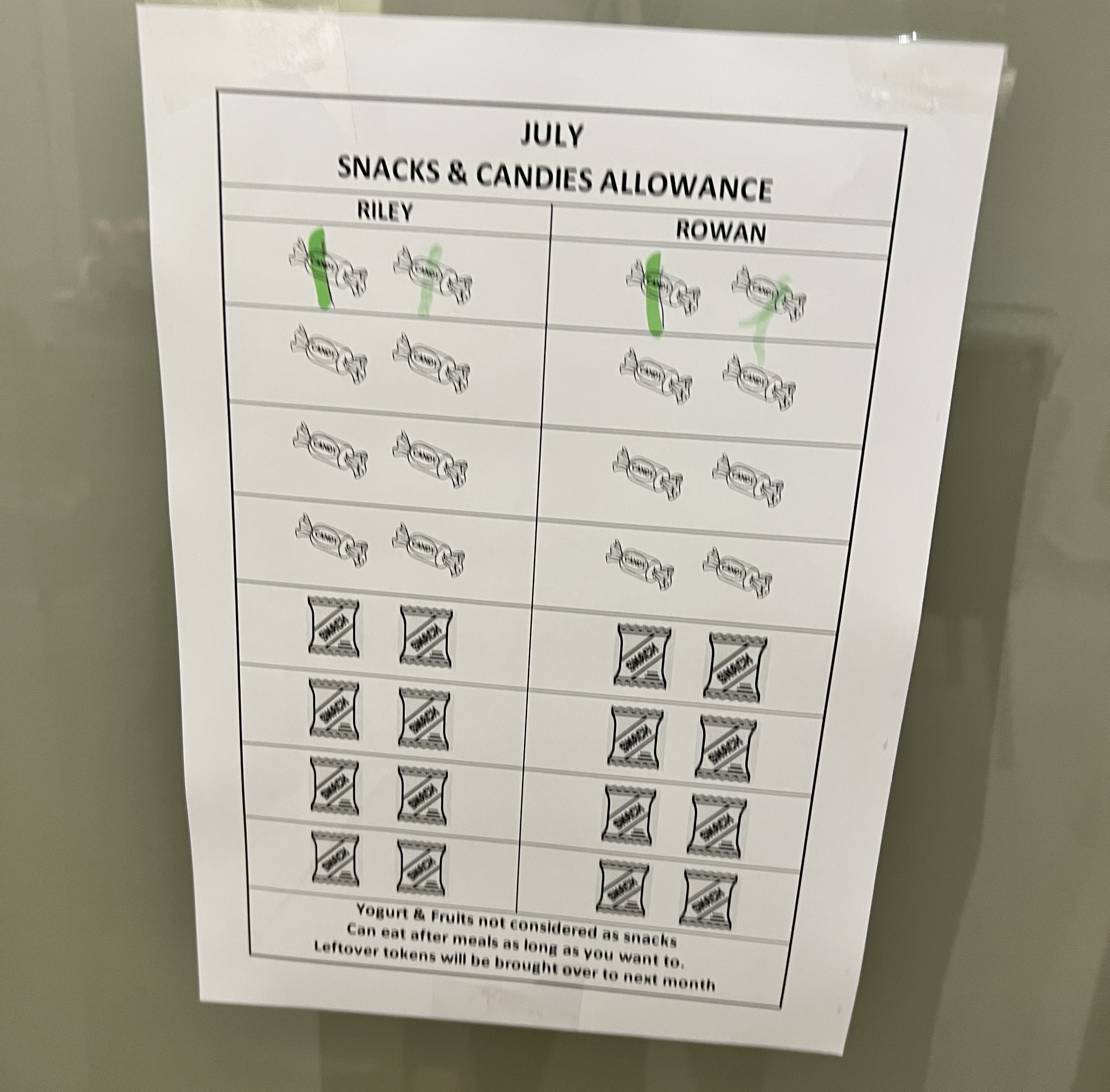
My kids (Riley & Rowan) are now on a Snack Budget. They receive a limited amount of snacks per month and they are allowed to make their own choices on when/what they want to eat. So far, I think it’s been fairly effective. It instils responsibility AND it saves me my sanity. I no longer have to deal with their constant requests for snacks. Here is a short summary of the steps involved in this approach:
 
1. Explain the concept: Start by explaining the idea of limited resources, budgeting and allocation. Explain it through themes such as Time, Money & Resource (in this case, snacks).
 
2. Set a monthly snack allowance: Determine a reasonable amount of snacks that your child can have in a month. This could be a fixed number. You can also set some rules. For example, snacks are only allowed after breakfast, or snacks are only allowed to be taken out from a dedicated snack box. (It will also be wise to keep a higher proportion of quality snacks at home, to manage the diet).
 
3. Track and plan: Help your kids create a simple tracking system, such as a chart or a notebook. Personally, I print this out for them. Every time they grab a snack, they would have to cross out one ‘token’. The snack tokens only get replenished at the start of the next month. 


If your kids older:
 
4. Involve them in the shopping: Take them along when grocery shopping and involve them in making choices. Give them an allowance ($), and allow them to choose their own snacks. This will help them understand the value of money and the importance of making good choices.
 
5. Encourage saving: Teach your child the benefits of saving money. If they manage to have some snacks left at the end of the month, encourage them to save that extra amount for future goals or treats.
 
By teaching children budgeting through limited snack allowances, they can learn valuable lessons about money management & making choices. This approach can lay a strong foundation for their financial & personal well-being in the future.

If you try this and it works, do drop me a note too. would love to hear more about it 😉

GST Voucher 2023 – and how you can fight inflation if you are not eligible to receive the payout

1.5 million Singaporeans to receive $1.2 billion in GST Voucher!
If you are wondering if you are ELIGIBLE, you can easily check out the following link (log in via singpass): https://www.gstvoucher.gov.sg
 
If you are wondering WHEN you will receive the GST Voucher, it depends on whether you are NRIC-Paynow registered.

  • For PayNow:  1 August 2023
  • For Bank crediting: 11 August 2023
  • For GovCash: 21 August 2023 
    (Citizens on GovCash may withdraw their GSTV – Cash at OCBC ATMs island wide by entering their 1) Payment Reference Number (PRN) that will be sent to them from 21 August, their 2) NRIC, and after passing the 3) facial verification.)

$700 may not be much but it can still offset the increase in GST for $70,000 worth of purchase/spending. This will be helpful for the lower to middle-income and senior Singaporeans, who are eligible for the payout.

And for those who are not receiving any payouts (if we view it optimistically, it’s a happy problem), here are some investment ideas on how you can fight inflation by making better financial choices:

  1. Invest in Stocks: Stocks have a track record of being a good hedge against inflation. During periods of high inflation, companies can increase prices for their products and services, leading to higher revenues and potentially higher stock prices. It’s important to choose resilient companies with a history of performing well in inflationary environments, or to choose companies who have strong pricing power (think luxury!)
  2. Invest in Real Estate: Real estate is a tangible asset that can help safeguard against inflation. As inflation rises, the value of real estate tends to increase. As we have seen in recent months, rental income also goes up int imes of inflation. Of course, not everyone can invest in a second/third property given the high prices and stamp duties. In this case, REITS may be good options to consider.
  3. Invest in commodities: Certain commodities, such as gold, silver, and oil, have historically served as good hedges against inflation. Precious metals are often considered stores of value during times of uncertainty and inflation. You can invest in these commodities via various investment vehicles, such as ETFs, contracts, or physically holding the commodities themselves. You can also consider investing in stock of related companies (point 1).

The above are just some examples of what you can do to hedge against rising inflation/ GST. Please speak to your financial advisor (or contact me) and conduct a proper review before making any financial decisions 😉