Is There Really a ‘Good’ or ‘Bad’ Financial Product?

When it comes to financial decisions, individuals often find themselves bewildered by the myriad of options available. However, the suitability of a financial product largely depends on personal preferences and needs.

For instance, Term life insurance and whole life insurance cater to different needs; while Term life insurance provides coverage for a specific period, whole life insurance offers lifelong protection with a cash value component as a fall back. Similarly, investment options like Investment linked plans, advisor-led management, DIY investment, and robo-advisory services offer varying degrees of control, risk, and potential returns.

Personally, I have also engaged in many of these perrenial debates – with clients, colleagues and friends. Some common topics include the perrenial debates such as:

  1. Term Life insurance vs Whole Life Insurance
  2. Private Medical Insurance (private healthcare) vs Public Medical Insurance (& public healthcare)
  3. Saving vs Investing
  4. Stocking picking vs ETFs vs Unit Trust
  5. Investing via a pure investment platform or through an insurer through an Investment Linked Plan (no protection)

But Is There Really a “Good” or “Bad” Financial Product?

In the world of finance, decisions are rarely black and white, yet many approach them as such. This black and white fallacy can lead to oversimplification of complex financial choices, ignoring the nuances of individual circumstances. When making financial decisions, it’s common to be influenced by cognitive biases, where the complexity of a decision is reduced to a simple ‘good’ or ‘bad’ categorization.

The reality is that financial products and decisions exist on a spectrum, influenced by personal financial goals, risk tolerance, and market conditions. For instance, a financial product might be considered ‘good’ for one individual but ‘bad’ for another, based on their unique financial situation and objectives. Understanding this nuance is crucial for making informed financial decisions that align with one’s personal circumstances.

It’s essential to evaluate financial products based on their suitability to one’s financial goals and risk tolerance, rather than categorizing them as inherently ‘good’ or ‘bad’.

“The key is not to prioritize what’s on your plate but to prioritize what’s on your horizon.” – Unknown

What might be a good choice for one person could be inappropriate for another due to differences in financial situations, goals, risk appetite and most importantly, preferences.

Let’s Take The Investment Landscape as an example

Investors today face a multitude of choices, from traditional to modern investment vehicles. The investment landscape has evolved significantly, offering a range of options to suit different investor needs and preferences.

Traditional vs. Modern Investment Vehicles

Traditional investment vehicles, such as stocks, bonds, and mutual funds, have long been the cornerstone of investment portfolios. These instruments are well-established and widely understood, offering a higher level of stability and predictability. On the other hand, highly sector specific exchange-traded funds (ETFs), cryptocurrencies, quant and alternative investments, represent a newer, more innovative approach to investing.

A young investor may find investing in cryptocurrency a suitable wealth creation vehicle for himself but the same investment would be beyond the risk appetite of someone in their pre-retirement years.

The Role of Technology in Changing Investment Access. DIY vs Roboadvisory vs Advisor Led

Technology has completely reshaped the investment landscape. With online platforms, mobile apps, and robo-advisors, investing has never been more accessible—or affordable. These tools have opened the door for a new generation of investors to jump in with ease.

But here’s the catch: access alone doesn’t guarantee success.

If you’re not clear about your financial goals, the best app in the world won’t help you hit them. That’s where advisor-led management comes in. Think of it as working with a coach—someone who helps you build a plan, avoid costly mistakes, and stay on track when the markets (or emotions) run wild. It’s a game-changer for those who don’t have the time, know-how, or confidence to go it alone.

For the DIY crowd—it’s absolutely possible to succeed. But it means doing the research, staying disciplined, and not panicking when markets dip. It’s like getting fit on your own: some people crush it with YouTube workouts and meal plans. Others need gym buddies for motivation. And for some, hiring a personal trainer makes all the difference.

Bottom line? The best approach is the one that matches your personality, time, and goals. But just like fitness, having a plan—and sticking to it—makes all the difference.

Investment-Linked Plans (non-protection options):

ILPs are often misunderstood, and their reputation has taken a hit—largely because of past cases of misrepresentation and mis-selling, rather than the product itself. When structured and explained properly, they can actually be a powerful tool for long-term planning.

One of the most important things to understand about Investment-Linked Plans (ILPs) is their fee and bonus structure. These plans come with a mix of charges and rewards—and not all ILPs are created equal.

Some have higher upfront fees but offer generous loyalty bonuses later. Others might have lower ongoing costs but fewer long-term perks. That’s why it’s critical to compare the details before jumping in—because the right ILP can help you grow your money, more effectively.

But here’s the key takeaway: Insurers love commitment. Many ILPs are designed to reward investors who stay the course—whether it’s through bonus units, lower charges / capped charges over time, or both. So if you’ve got a long investment horizon and the discipline to stick with it, an ILP might actually work harder for you than you think. On the other hand, if you are only looking to invest for a very short period of time – or if it is highly likely that you may need the money for reinvestment in other asset class (such as property purchase), then this is almost definitely a vehicle to stay away from.

Other standout features can be really helpful in supporting real-life needs—especially when it comes to retirement and legacy planning.

For one, ILPs makes it seamless to pass on your investment to a loved one in the event of your passing. Instead of going through a lengthy probate process, the proceeds can be directed straight to your nominated beneficiary. This ensures your loved ones receive support quickly—when they need it most.

On top of that, some ILPs also allow you to set up targeted withdrawals during retirement, so you can enjoy a steady stream of income while keeping the rest of your money invested. Whether it’s drawing down a set amount monthly or tapping into it for specific milestones, the flexibility is built in. You’re in control, not the market. In short, it’s not just about investing—it’s about making your money work around your life, not the other way around.

Conclusion: Beyond “Good” and “Bad” in Financial Planning

Ultimately, effective financial planning is about finding the right fit. It’s about moving beyond the notion of “good” or “bad” financial products and focusing on financial product suitability. By doing so, individuals can create a tailored financial plan that meets their unique needs and goals, leading to a more secure financial future.


Why a Standalone Cancer Coverage Can Be Useful

Cancer diagnosis is becoming increasingly common, with 1 in 4 Singaporeans expected to be diagnosed with cancer in their lifetime. The financial implications of such a diagnosis can be overwhelming, making cancer insurance a vital consideration.

Based on the most recent MOH report, the incidence of cancer increased the most quickly in people under the age of 50 years, especially those in the 30-39 year-old bracket.

As I reflect on the importance of having specialized insurance, it becomes clear that a standalone cancer coverage provides financial protection against the high costs associated with cancer treatment. This type of insurance can be a useful addition to one’s insurance portfolio, ensuring that you are better equipped to handle the financial burdens that come with a cancer diagnosis.

Having this specific type of coverage can alleviate some of the financial stress, allowing you to focus on recovery rather than worrying about the costs. It’s essential to understand the benefits of standalone cancer coverage and how it can support you during challenging times.

The Rising Threat of Cancer in Singapore

The prevalence of cancer in Singapore has been on the rise, posing a substantial threat to public health. As a result, understanding the most common types of cancer and their impact on the population is crucial.

Most Common Cancer Types in Singaporeans

Colorectal, breast, prostate and lung cancers are among the most common types affecting Singaporeans. These cancers require extensive treatment, often resulting in significant medical expenses.

Survival Rates and Treatment Success

Advances in medical technology and treatment options have led to improved survival rates for many cancer patients. However, the cost of treatment remains a significant burden for many individuals and families.

The distinction between public and private healthcare costs is crucial in understanding the financial strain on individuals. Private healthcare costs can be substantially higher, making it essential to consider additional coverage options.

Impact on National Healthcare System

The rising incidence of cancer has significant implications for Singapore’s national healthcare system. The expenses associated with cancer treatment have been escalating at a significantly higher pace compared to other medical treatments, and if this trend is not promptly addressed, it could render the current healthcare scheme unviable in the long run (which was also what prompted the introduction of cancer drug lists).

The Changing Landscape of Cancer Claims

The landscape of cancer claims is undergoing a significant shift, driven by various factors. As I delve into the statistics, it becomes evident that there’s a notable trend of cancer diagnoses occurring post-30 years old. Lifestyle and environmental factors play a crucial role in the increasing incidence of cancer. As our lifestyles and environments change, so does our risk profile for various types of cancer.

The Financial Burden of Cancer Treatment

When diagnosed with cancer, patients often find themselves battling not just the disease, but also the substantial costs associated with its treatment. Cancer treatment is a significant financial burden that affects many aspects of a patient’s life.

Direct Medical Expenses

Direct medical expenses, including hospital stays, surgeries, chemotherapy, and medication, form a substantial part of the financial burden. These costs can be extremely high and are often the most immediate concern for patients.

Indirect Costs and Lost Income

In addition to direct medical expenses, _indirect costs_ such as lost income due to time off work or reduced working hours can significantly add to the financial strain. This loss of income can be particularly challenging for families who rely on a steady income.

Depletion of Savings

Many patients have to dip into their savings to cover the costs (indirect/direct) associated with cancer treatment, depleting their financial safety net.

Limitations of Health Insurance for Cancer Coverage

Traditional health insurance plans have limitations when covering cancer treatment. While they are essential for overall health coverage, they often come with certain restrictions that can leave patients with significant out-of-pocket expenses.

Coverage Caps and Co-payments

One of the main limitations is the presence of coverage caps (Limits & Cancer Drug List Limitations) and co-payments. Coverage caps limit the total amount that the insurance will pay, and once this cap is reached, the patient must cover any additional expenses.

Deductibles and co-insurance are other cost-sharing mechanisms that can increase the financial burden on cancer patients. Deductibles are the amounts that must be paid out-of-pocket before the insurance coverage kicks in, and co-insurance is the percentage of medical expenses that the patient must pay after meeting the deductible.

Furthermore, traditional health insurance plans often do not cover _non-medical expenses_ related to cancer treatment. Many people would also seek out alternative treatments such as TCM, turn to Homeopathy, Naturopathy which expenses are not covered by health insurance.

Understanding these limitations highlights the potential benefits of a standalone cancer plan, which can provide more comprehensive coverage specifically for cancer treatment.

Why a Standalone Cancer Coverage Can Be Useful

In the realm of insurance, a standalone cancer coverage can provide specialized benefits that cater to the unique needs of cancer patients.

Premium Efficiency for Targeted Coverage

With a standalone cancer coverage, individuals can enjoy premium efficiency by paying only for the coverage they need. This targeted approach can help reduce unnecessary expenses and optimize insurance costs.

Benefits of Simplified Underwriting in Cancer-Specific Plans

One of the key benefits of standalone cancer policies is the simplified underwriting process. This is particularly advantageous for individuals who may have pre-existing conditions that could complicate their eligibility for standard critical illness insurance. For instance, conditions unrelated to cancer may not be considered during the underwriting process for cancer-specific plans. This flexibility makes cancer insurance more accessible to a wider range of individuals.

The simplified underwriting process typically requires fewer medical tests, making it less cumbersome for applicants. This reduction in required medical examinations streamlines the application process.With fewer hurdles in the underwriting process, applicants can expect a quicker time to coverage. This means that individuals can get the protection they need sooner, providing peace of mind and financial security in the face of a cancer diagnosis.

Conclusion: Making an Informed Decision About Cancer Coverage

As I’ve highlighted throughout this article, cancer is a growing concern in Singapore, and having the right insurance coverage is crucial in managing the financial burden of treatment. When considering why to opt for standalone cancer insurance, it’s essential to understand the benefits of standalone cancer coverage and how it can complement existing health and critical illness insurance plans.

Simplified underwriting and affordable premiums make standalone cancer coverage an attractive option for those seeking additional protection. To end off, I would highly encourage everyone to assess their current insurance portfolio and consider adding standalone cancer coverage to ensure you have adequate protection against the rising threat of cancer.

Health Insurance in Singapore: Costs and Benefits Explained

Singapore’s healthcare is top-notch, but it’s pricey. A big medical procedure can cost over SGD 40,000. This shows why good health insurance is key.

It’s important to know about health insurance costs and benefits in Singapore. This helps people make smart choices about their health. We’ll look into Singapore’s health insurance system, including the plans and their prices.Health Insurance in Singapore: Costs and Benefits Explained.

Finding the right health insurance plan is crucial. It protects your wallet and gives you access to great healthcare. We’ll help you pick the best plan for you.

The Singapore Healthcare System Overview

It’s important to know about Singapore’s healthcare system. This helps when choosing health insurance.

Public vs Private Healthcare Options

Singapore has both public and private healthcare. Public care is in restructured hospitals and polyclinics. They offer lower-cost medical care.

Restructured Hospitals and Polyclinics

Restructured hospitals are run by the government. They give quality care at lower prices. Polyclinics focus on basic health services like check-ups and shots.

Private Hospitals and Specialist Centers

Private hospitals and centers offer more comfort and special services. But, they cost more. People who can pay or have private insurance go here.

The 3M Framework: MediSave, MediShield Life, and MediFund

The 3M framework is a big help for managing healthcare costs. It includes MediSave, MediShield Life, and MediFund.

How Each Component Works Together

MediSave is a must-have savings plan for medical costs. MediShield Life is basic insurance for hospital and some outpatient care. MediFund helps those who can’t pay for care.

ComponentDescriptionBenefits
MediSaveMandatory savings schemeHelps individuals save for medical expenses
MediShield LifeBasic health insurance schemeCovers hospitalization and selected outpatient treatments
MediFundGovernment-funded safety netAssists those who cannot afford medical care

Understanding Health Insurance in Singapore: Cost Benefits and Value

It’s important to know about health insurance in Singapore. This knowledge helps you make smart choices about your coverage. The system has both mandatory and optional parts.

Mandatory vs Optional Coverage

Health insurance in Singapore is set up to cover everyone. This ensures that everyone has some protection. Mandatory coverage is needed for all Singaporeans. It gives a basic level of protection. Optional coverage lets you add more to your insurance. This depends on your needs and how much you can afford.

What Every Singaporean Must Have

Every Singaporean must have MediShield Life. It’s a basic health insurance that covers everyone. MediShield Life helps pay for hospital stays and some outpatient treatments. It makes sure everyone has some financial help with healthcare costs.

Why Supplementary Insurance Matters

Supplementary insurance is key because it fills gaps in MediShield Life’s coverage. It gives more financial help for big medical bills. It’s especially useful for costs in private hospitals or for complex treatments. This extra insurance helps a lot.

Filling the Gaps in Basic Coverage

Supplementary insurance plans, like Integrated Shield Plans (ISPs), boost your coverage a lot. They help pay for things MediShield Life doesn’t cover. These plans cover private hospital stays and more detailed outpatient care. They’re very helpful.

Type of CoverageKey FeaturesBenefits
Mandatory (MediShield Life)Basic health insurance for all SingaporeansCovers hospitalization and selected outpatient treatments
Supplementary (ISPs)Additional coverage for higher medical costsCovers private hospital stays and more extensive outpatient care
Optional Private InsuranceEnhanced coverage for specific needsOffers tailored protection for critical illnesses or specialized care

MediShield Life: The Basic Universal Coverage

MediShield Life is a key part of Singapore’s healthcare. It’s a basic health insurance that everyone must have.

Coverage Limits and Benefits

MediShield Life helps pay for big hospital bills and some outpatient care. This includes dialysis and chemotherapy. It’s a safety net for Singaporeans, helping with healthcare costs.

What’s Included and What’s Not

The scheme covers stays in Class B2/C wards and some outpatient treatments. But, it doesn’t cover all expenses. For example, it doesn’t pay for optical and dental care.

Coverage TypeIncludedNot Included
Hospital StayClass B2/C wardsClass A or Private wards
Outpatient TreatmentDialysis, ChemotherapyGeneral Outpatient treatments

Premium Costs Across Age Groups

Premiums for MediShield Life change with age. Older people pay more because they might need more healthcare. For example, those in their 70s and 80s pay a lot more than the young.

Government Subsidies Available

The government helps make premiums more affordable. They offer subsidies to lower-income families. These subsidies can really help with the cost.

Integrated Shield Plans: Enhanced Protection

Many people choose Integrated Shield Plans (ISPs) to get more health insurance. These plans add extra protection for families and individuals in Singapore.

How ISPs Complement MediShield Life

ISPs work with MediShield Life to offer more coverage. They help by giving higher limits and extra benefits not found in MediShield Life. ISPs cover expensive treatments and more healthcare services. This is great for those who want private hospital care or need special treatments.

Private Hospital Coverage Options

ISPs cover private hospital stays, like Class A or B1 wards. These can be very expensive without insurance. When looking at private hospital coverage, check what’s covered and what’s not. Some ISPs might cover more or certain treatments better.

Premium Comparisons Across Insurers

Premiums for ISPs vary by insurer. Here’s a look at some big names, for someone in their mid 30s, in the highest tiered plan & rider (info accurate as of 15 May 2025). Note that premiums can vary if you choose different tiered riders or if you enjoy no claim discounts.

InsurerAnnual Medisave Premium
(Amount above Medisave limits are paid by cash)
Annual Cash Premium 
Co A$300$1,202
Co S$300$1,293
Co I$300$1,036

Critical Illness Coverage: Why It’s Essential

Critical illness coverage is key in a health insurance plan in Singapore. It helps protect your money when you get very sick.

Early Critical Illness vs Late-Stage Coverage

Early critical illness coverage helps when you first get sick. It lets you start treatment right away. Late-stage coverage helps when your illness gets worse, which can cost more.Getting early critical illness coverage can be useful. It lets you get help fast, which can make you feel better sooner.

Typical Costs and Benefits

The cost of critical illness coverage changes based on your age, health, and how much you want to cover. You get a big payment when you’re diagnosed with a serious illness. This money can help pay for medical bills, lost work, or other big expenses.

Return on Investment Analysis

Thinking about the cost and benefits of critical illness coverage is important. The money you get can really help. It can cover the high costs of medical care in Singapore, where Singapore health insurance rates are high.

Employer-Provided Health Insurance Benefits

It’s key for employees in Singapore to know about health insurance from employers.

Most employers in Singapore give health insurance as a benefit. But even with employer insurance, there might be gaps. These gaps include:

  • High deductibles or co-payments
  • Limited coverage for some treatments or conditions
  • Not enough coverage for serious illnesses

This is why it is important to have your own medical insurance in place. Even if you have a really comprehensive coverage – note that the coverage is not portable. This means that you will lose the coverage once there is a change in employment status.

what to do with your children red packet?

As we conclude the festivities of the new year, an intriguing question has been raised by many of my clients: What should be done with children’s Ang Bao Monies? Our recommendation? Invest it. And for those without children, consider investing for your own future if you haven’t already done so.

Benefit 1: Providing a Head Start

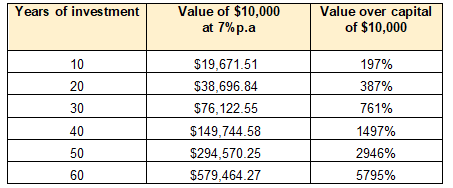
One of the greatest advantages our children possess is time, and investing their Ang Bao or birthday money could prove to be one of the most prudent decisions. While money can be replenished, time is finite. Albert Einstein famously remarked, “Compound interest is the eighth wonder of the world.” By initiating investments at an early age, there is the potential to significantly augment their wealth. Even with conservative estimates, the power of compounding over time can yield substantial returns.

What to do with your children Angbao Money? — Engage

Benefit 2: Fostering Financial Literacy and Exposure to Market Dynamics

Financial markets are inherently volatile. Introducing children to investment early on exposes them to the realities of market fluctuations, instilling in them the understanding that the path to financial growth is seldom linear. This exposure cultivates resilience and equips them with the mindset to make informed, rational decisions, devoid of emotional biases. Moreover, discussions surrounding investments open avenues to explore various businesses and industries, igniting curiosity and potentially uncovering their passions.

What to do with your children Angbao Money? — Engage

Benefit 3: Cultivating a Positive Relationship with Wealth

For many children, money is synonymous with immediate gratification – a means to acquire possessions or experiences. By introducing the concept of investment, we shift the paradigm from scarcity to abundance. Through prudent financial decisions, we demonstrate the potential for sustainable growth and the ability to create value not just for oneself, but for others as well.

If you wish to find out more about starting an investment account for your children (or for yourself if you haven’t), do drop me a whatsapp/email.

Yvonne Lim
Certified Financial Planner
Representing IFA, Financial Alliance

Original Post here:

The importance of having a will in singapore~

It is easy to overlook certain essential aspects of financial planning. One area that I find people procrastinating would be to set up a will + lasting power of attorney.
 
A will is a legal document that states your wishes for the distribution of your assets after your passing. While people of all ages can benefit from having a will, it holds particular importance for singles (with joint assets), parents with young children, and the elderly.
 
For Singles: Protecting Joint Assets and Ensuring Preferred Distribution 
Singles often think they don’t need a will, but this is far from the truth, especially if they share joint assets with someone else. For example, if you co-own a property with a family member or a partner, a will can help ensure that your share goes to the right beneficiary. Without a will, your assets may not be distributed according to your wishes and this can potentially cause disputes and financial stress for your loved ones. In the worst case scenario, it may leave your partner without a place.
 
For single individuals, a will allows you to pass on your assets to close friends/family members who may not be considered legal beneficiaries. It also provides the opportunity to donate to charities and support causes you care about.
 
 
For Parents with Children: Appointing Guardians and Providing Financial Security 
Parents, more than anyone else, would understand the importance of planning for their children’s future. A will would allow you to appoint testamentary guardians for your minor children, ensuring they are taken care of and living with your most trusted.
 
Additionally, a will enables you to provide financial security for your children. You can specify how your assets should be managed for their benefit, ensuring that their education and well-being are adequately funded.  
 
 
For the Elderly: Efficient Estate Planning and Minimizing Taxes
As one grows older, estate planning becomes increasingly vital. Singapore has specific laws (ISA) regarding the distribution of assets. With a will, you have more control over how your assets is divided. 
At the end of the day, Equal may not be Fair or Ideal. Imagine the case where you have an unmarried child staying with you and a married child with his/her own place of residence. Simply selling the property and splitting the proceeds may not be the best method of distribution. 
Similarly, you may not want to gift equal share to a child who is a vulnerable party or whom you are estranged from.
 
A will can also streamline the probate process, making it easier for your loved ones to access and distribute your assets after your passing. This simplifies an already emotionally challenging time for your family.
 
In conclusion, having a will is essential, regardless of your age or family situation…
Feel free to drop me a note if you require assistance with your estate planning matters. Cheers and be well!