
Financial planning is really about putting the odds in our favor so that we can achieve our dreams more effortlessly.
Yet, no one really enjoys talking about insurance even if the purpose of insurance is to ensure that the odds stay in our favor when unfortunate events happen – events that can potentially cripple your financial wealth (and dreams) or cause financial difficulty to another person.
So, if we were to draw a parallel between Insurance & lifebuoy, this must be it

Very often, people also fall into the trap of purchasing insurance while not knowing exactly what the the insurance does. If you are lucky, you just end up with something that you do not need. But if you are unlucky, you may find yourself without the most basic and important insurance. That is, you find yourself with a Lifebuoy which is oversized/deflated/faulty.
The first step to prevent this from happening is to gain some basic understanding on risk management…
First things first, the basic function of insurance is to protect you against events which can be detrimental to your financial status. Such events include:
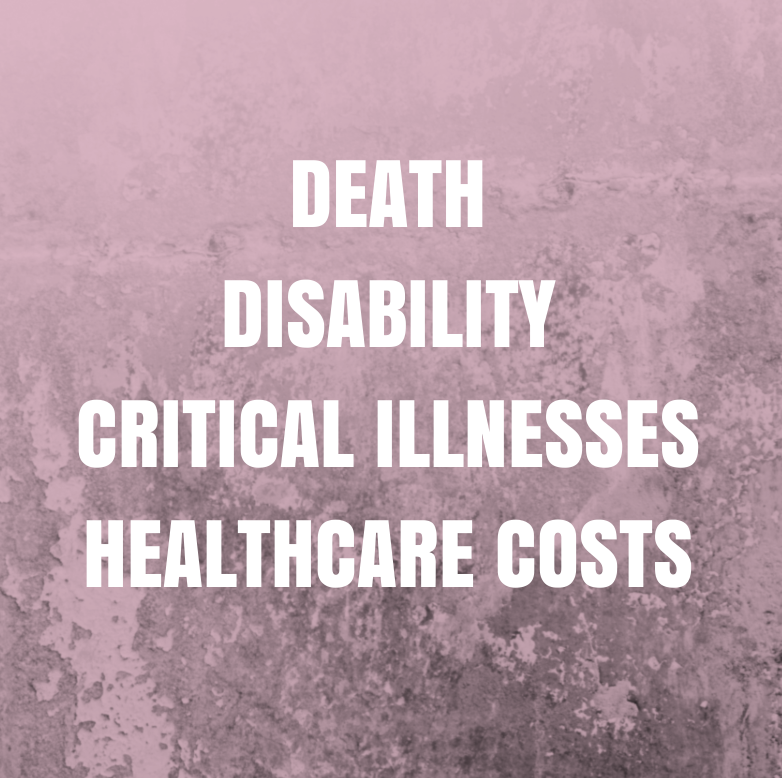
The vehicle (kind of insurance that you purchase) is what we use to protect against the events. Options are aplenty and some examples are
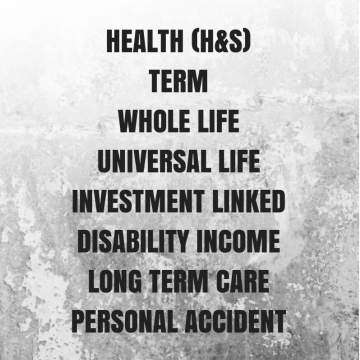
What many people do not realise is that choosing the vehicle to use usually comes at the last stage of the planning process and that Implementation should also be in the sequence of managing the top most concern first. (So if you are concerned about hospitalisation costs, then get your health insurance in place first. Makes sense yeah?)
So how do we go about Risk Management Planning? Personally, I have summarised it into 3 main steps:
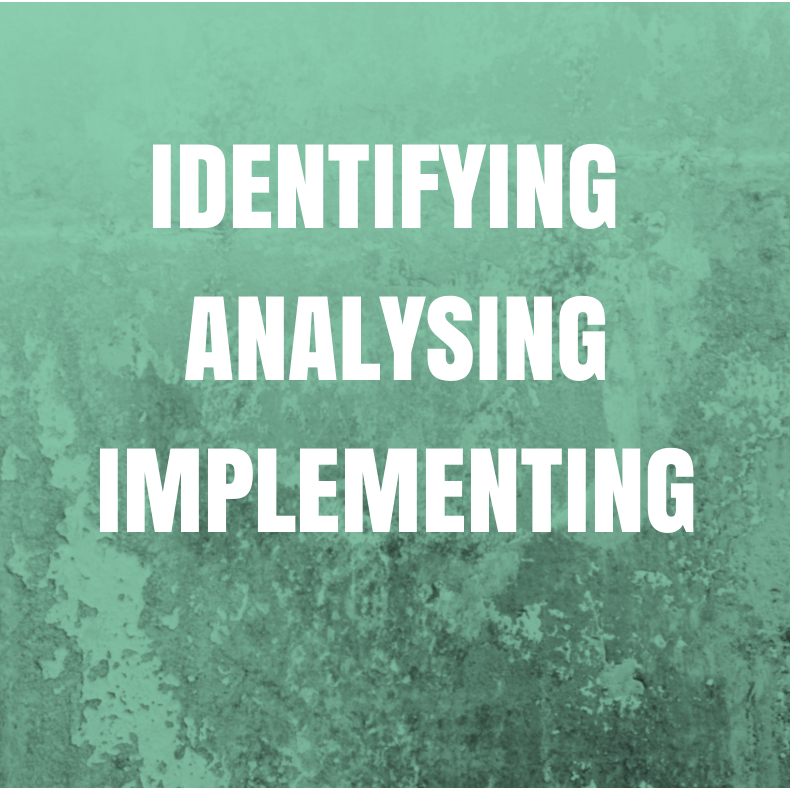
- The first part includes the identification of needs. Questions that you can ask yourself are: “What am I most concerned about? What kind of event would be detrimental to my life? Who are the people in my life whom I have to take care of? What is most important for me right now and why? What is my plan for the next few years? Can I self-insure?”
- The second part of the analysis and planning would involve the numbers “How long am I responsible for my dependents? For how long would this be a concern? How much would I need? How much liability do I have right now? How much am I willing and able to set aside for risk management?”. This is also where we bring in the data and statistics and calculate a number and target coverage to work towards to.
- The third and last part of the risk management planning would then be the implementation itself. That is, based on the above two points, seek for the most relevant vehicle for yourself. There are many solutions available in the market and identifying one that is right for you is definitely achievable.
On some days, I meet individuals who do not see any need for insurance because there is no pressing need for Wealth Protection. This can be true for some people. But for most of us, there is always a need (or goal) that we can fulfilled more effectively via insurance than to self insure.
Also, reasons for getting insurance go beyond just risk management. There are many ways whereby each of this insurance solution can be used to fulfill a purpose or solve a problem- such as wealth creation and transfer, in business or even for charity. Find out more in this earlier post:


 CFP, representing Financial Alliance